As the days become shorter and daylight changes with the seasons, you may notice shifts in your mood, energy, and sleep patterns. For some people, these changes bring mild winter blues, while others experience more persistent symptoms of seasonal depression. Understanding how daylight affects your body and mental health can help you take practical steps to feel better. In this article, we explore how daylight changes and the debate around ending seasonal clock changes may affect your mood, along with simple strategies to support your emotional well-being throughout the year.
What Is Seasonal Depression in Winter?
Seasonal depression, also known as seasonal affective disorder (SAD), is a type of depression that follows a recurring seasonal pattern, most commonly beginning in fall or winter and improving in spring. Beyond feeling less energetic or motivated, it can affect sleep, appetite, concentration, and interest in activities you usually enjoy. Recognizing the difference between temporary changes in mood and symptoms that persist or interfere with daily life is an important first step toward finding the right support.
How Does Daylight Affect Seasonal Depression?
Daylight helps regulate our circadian rhythm, the internal clock that influences sleep, wakefulness, and other biological processes. When daylight becomes limited, changes in the timing of light exposure can affect sleep patterns and mood. Researchers believe that disruptions to this internal clock, along with changes in serotonin and melatonin regulation, may contribute to seasonal depression.
A study published in Physiology & Behavior, Natural Summer and Winter Sunlight Exposure Patterns in Seasonal Affective Disorder, found that people with winter depression experienced substantially less daily sunlight exposure in winter than in summer. Although the study was small, it highlights how seasonal changes in daylight exposure may contribute to winter depression.
In places such as British Columbia, where winter days are short and often overcast, it can be especially challenging to get enough natural light while balancing work, family, and other responsibilities.
Could Ending Daylight Saving Time Affect Seasonal Depression?
The discussion about ending seasonal clock changes raises another important question: could keeping the same time throughout the year affect our mental health during winter?
It is important to distinguish between daylight saving time and daylight itself. Changing the clocks does not change the number of daylight hours available. Instead, it changes how those hours align with our work schedules, school days, and sleep routines.
If we stopped changing the clocks and adopted permanent daylight saving time, winter sunrises would occur later according to the clock, while sunsets would occur later in the evening. This could mean waking up and commuting in darkness for longer, particularly during the darkest months of the year.
In contrast, permanent standard time would provide earlier sunrises and earlier sunsets. This generally aligns better with the body’s natural circadian rhythm because morning light helps regulate the internal clock and support healthy sleep-wake patterns.
A 2024 position statement from the American Academy of Sleep Medicine recommends permanent standard time over permanent daylight saving time because of its alignment with human circadian biology. More recently, a Canadian review of the health impacts of permanent standard time versus permanent daylight saving time highlighted concerns that later winter sunrises under permanent daylight saving time could negatively affect people vulnerable to seasonal mood changes.
However, these findings do not establish that keeping one time year-round will directly cause or prevent seasonal depression. The long-term effects of different time policies on seasonal affective disorder remain uncertain, and clock policy cannot eliminate the seasonal reduction in daylight. Nevertheless, the timing of light exposure may matter, particularly for people whose mood and sleep are sensitive to seasonal changes.
What Are the Symptoms of Winter Depression?
Seasonal depression can affect people differently, but common symptoms include:
- Persistent sadness, low mood, or feelings of hopelessness.
- Low energy, fatigue, or difficulty getting out of bed.
- Sleeping more than usual while still feeling tired.
- Changes in appetite, including cravings for carbohydrates.
- Difficulty concentrating or staying motivated.
- Losing interest in activities that usually bring pleasure.
- Withdrawing from friends, family, or social activities.
- Increased irritability, anxiety, or feelings of overwhelm.
If these symptoms persist, interfere with daily life, or return around the same time each year, consider speaking with a healthcare professional.
How Can You Cope With Seasonal Depression?
Although winter can feel challenging, small and consistent changes may help support your mood and well-being.
Get natural daylight when possible. Spend time outdoors during daylight hours, even on cloudy days. A short walk during a lunch break can help you incorporate more natural light into your routine.
Maintain a regular sleep schedule. Going to bed and waking up at consistent times can help support your circadian rhythm, particularly when daylight is limited.
Stay physically active and socially connected. Gentle exercise, enjoyable activities, and regular contact with friends or family can help reduce isolation and support emotional well-being.
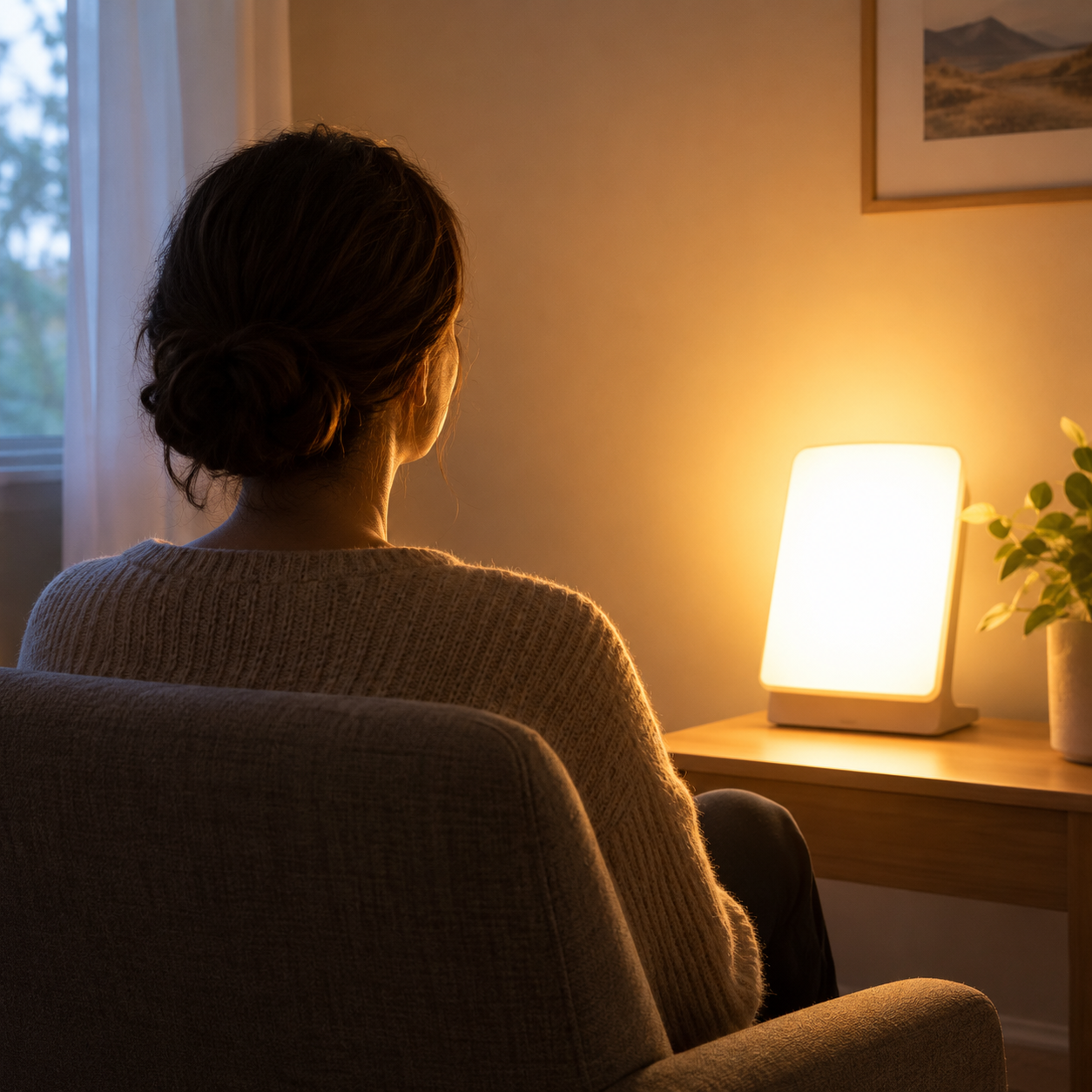
Consider professional support. Cognitive behavioural therapy (CBT) and bright light therapy are evidence-based treatment options for seasonal affective disorder. If you are considering a light therapy box, consult a healthcare professional to determine whether it is appropriate for you.
These strategies can be helpful, but persistent or severe symptoms deserve professional attention.
How Counselling Can Help With Seasonal Depression
Seasonal depression can affect more than your mood. It may influence relationships, confidence, motivation, and your ability to manage everyday stress. Counselling provides a supportive space to understand these experiences and develop coping strategies that fit your individual needs.
Therapy can help you recognize unhelpful thought patterns, manage stress, reconnect with meaningful activities, and address underlying concerns that may feel more difficult during winter. You do not need to wait until you feel overwhelmed to seek support.
Find Support for Seasonal Depression in Langley, BC
If winter brings persistent sadness, low energy, or a sense of disconnection, you do not have to manage it alone. With the right support, it is possible to improve your mood, build healthier coping strategies, and make the winter months more manageable.
Trauma and Stress Counselling (TSC) offers counselling support in Langley, BC, for individuals experiencing depression, stress, and other emotional challenges.
If you are struggling with seasonal depression in winter and would like support, contact Trauma and Stress Counselling to learn more about our counselling services and take the next step toward feeling better.